These terms govern your use of this website, which is operated by Vajrashakti Ventures Private Limited, a company incorporated in India (“Vajrashakti”, “we”, “us”). By using the website you agree to them. If you do not agree, please do not use the website.
01About these terms
These terms apply to every visitor. Any purchase, partnership or employment with Vajrashakti is governed by a separate written agreement, not by these terms.
02Disclaimer
Information on this website is general in nature. Products described represent the design envelope of a facility under establishment; statutory approvals are in progress. Nothing herein constitutes an offer of regulated goods or an invitation to invest. Advisors serve in their individual capacity.
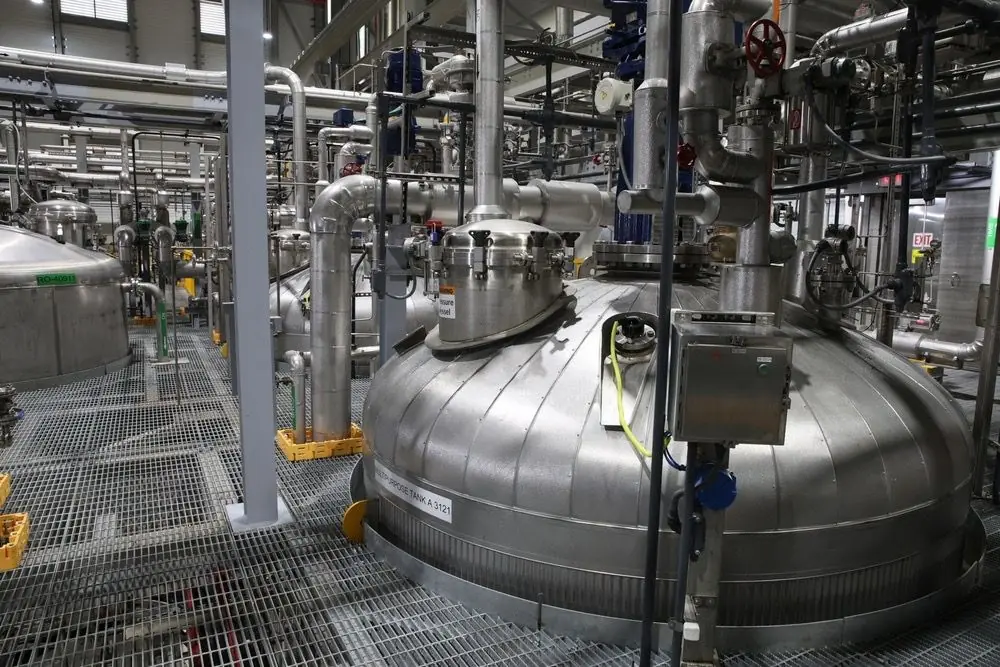
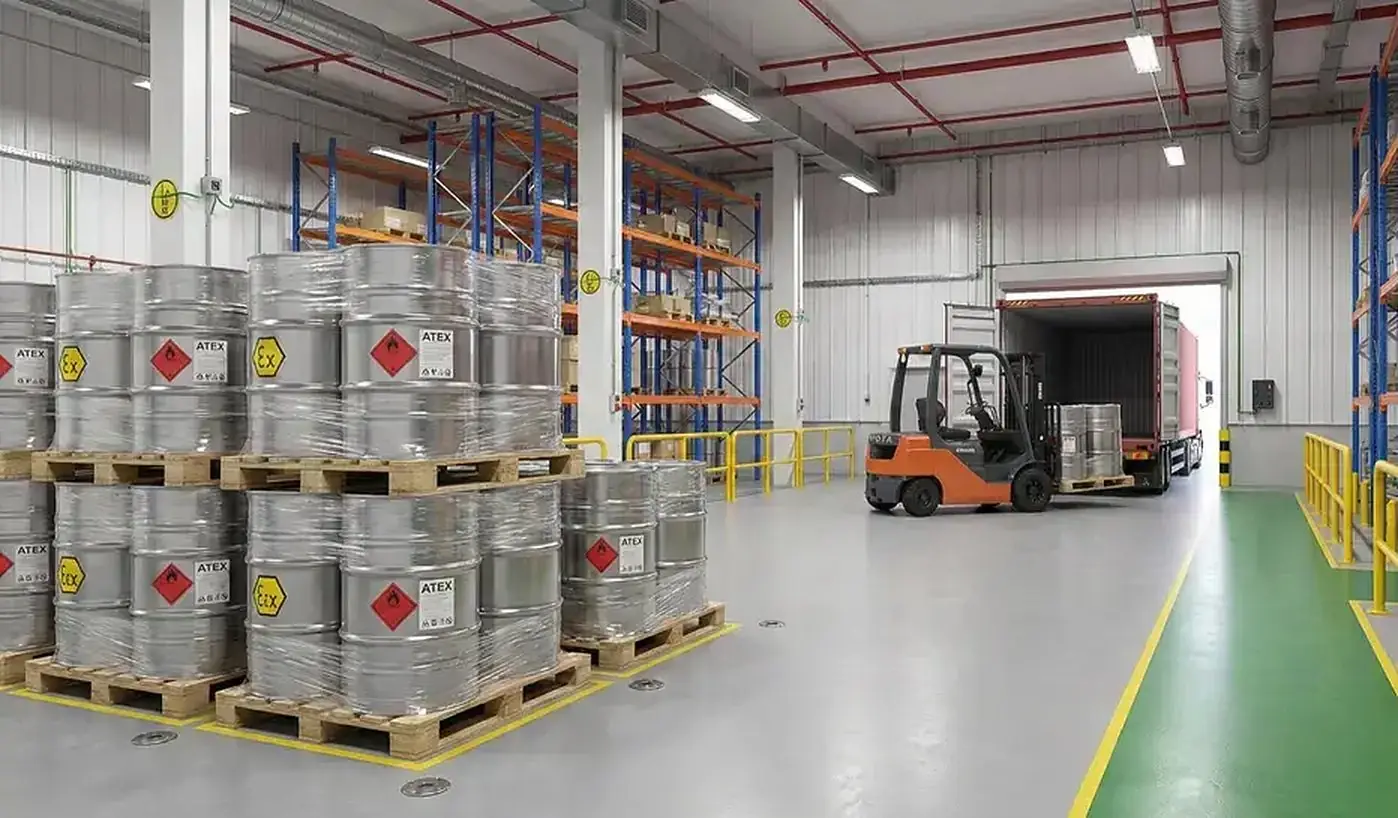
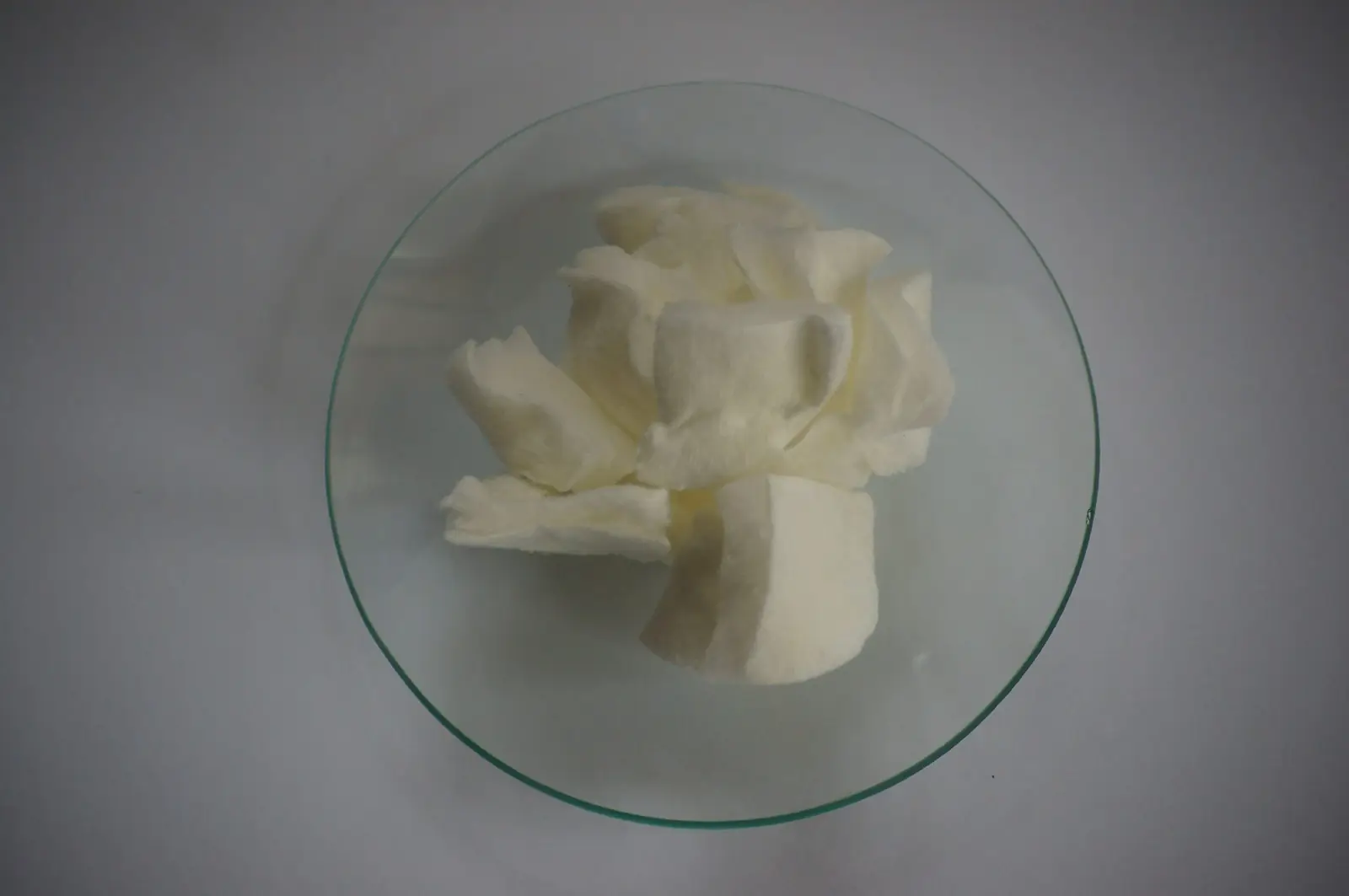
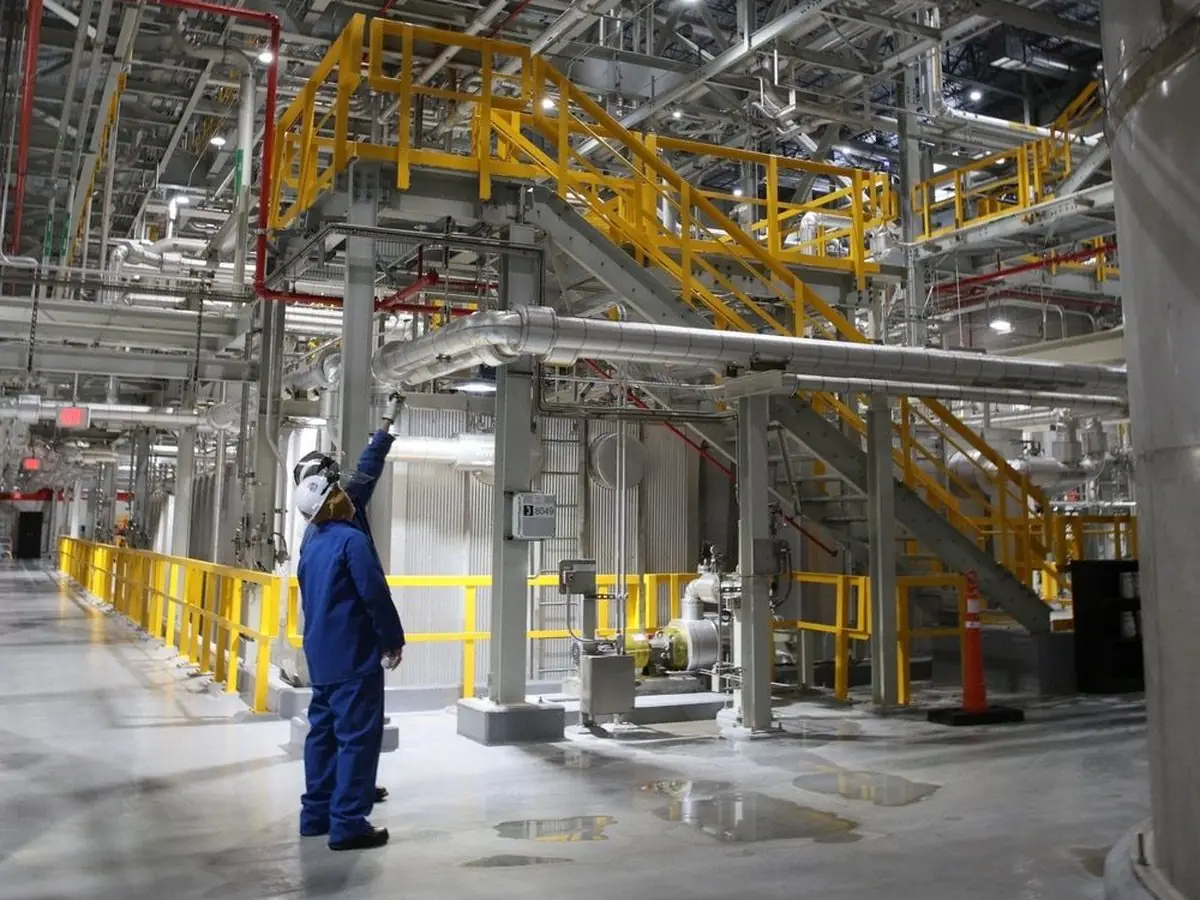
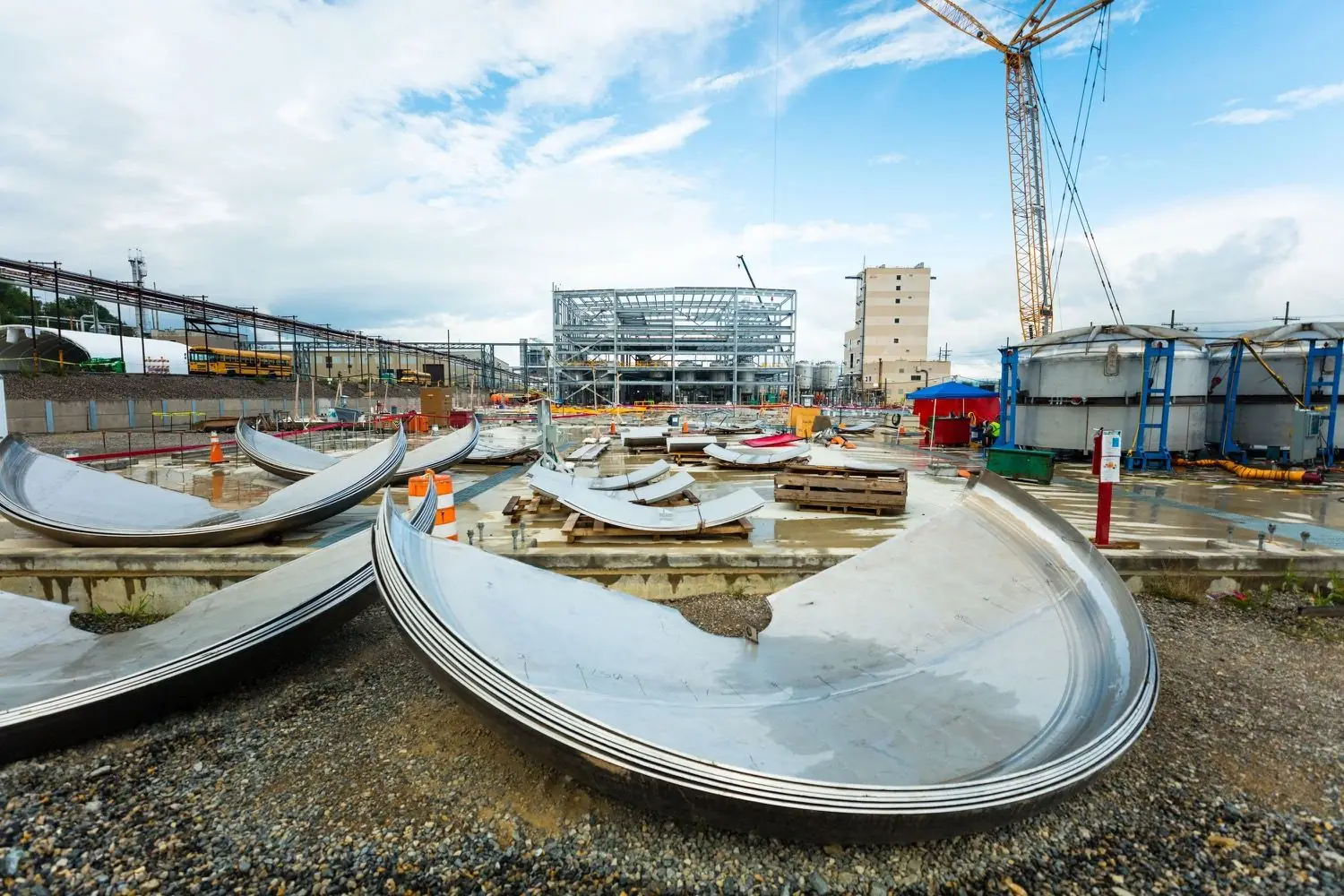
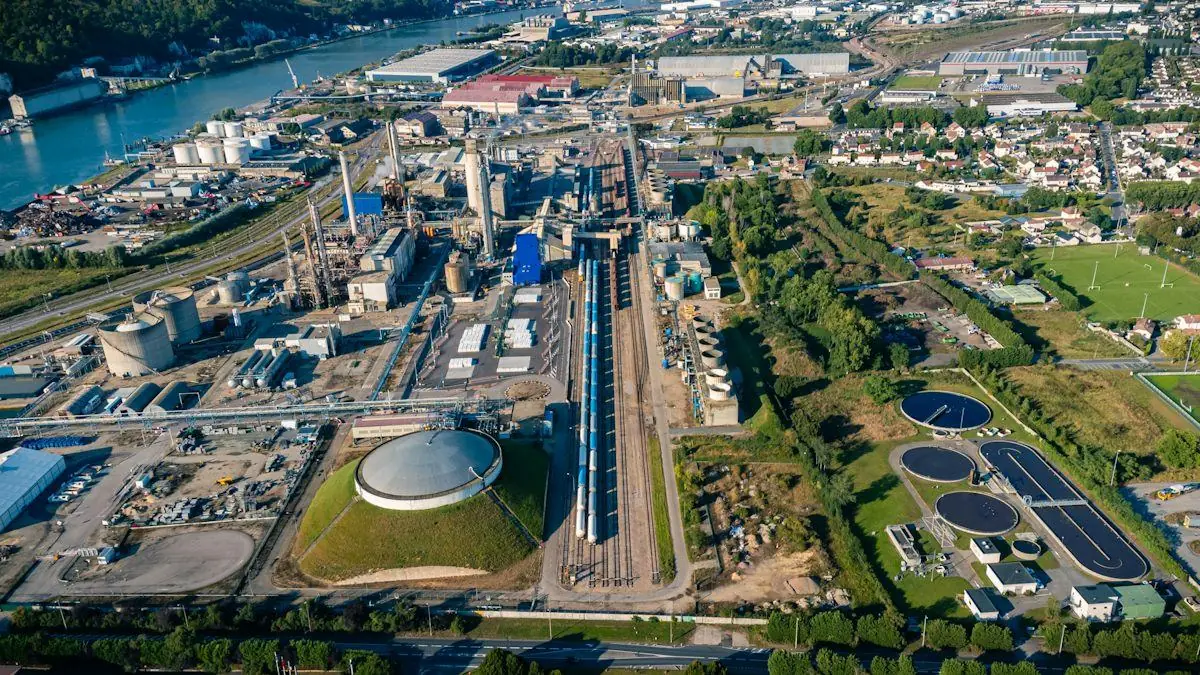
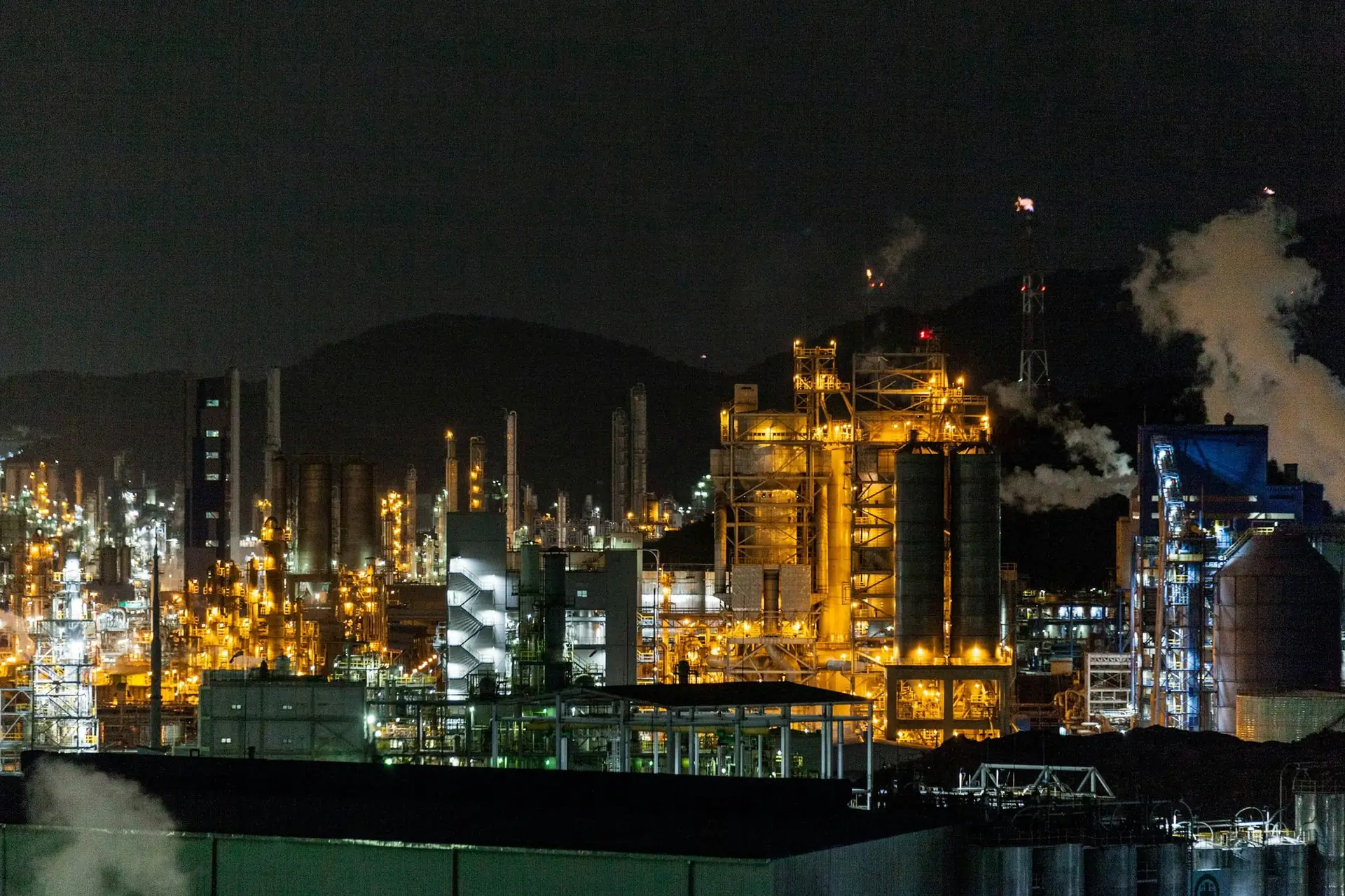
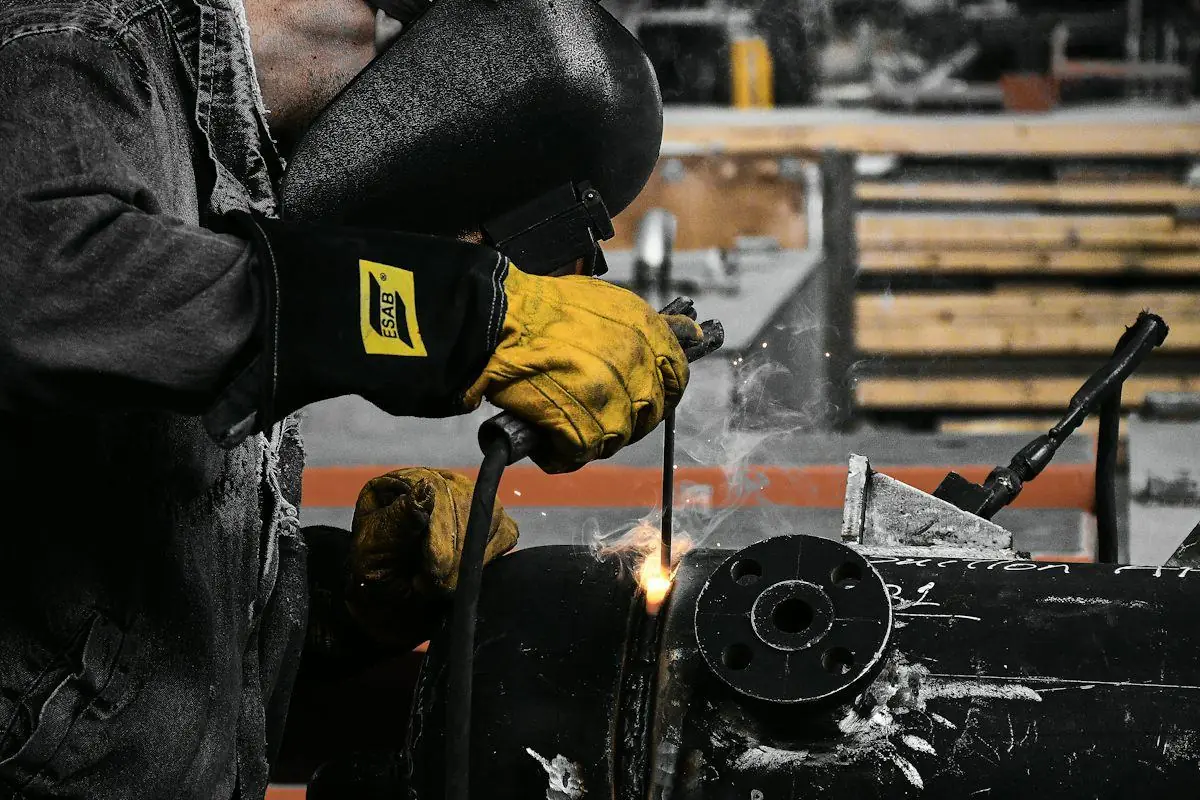
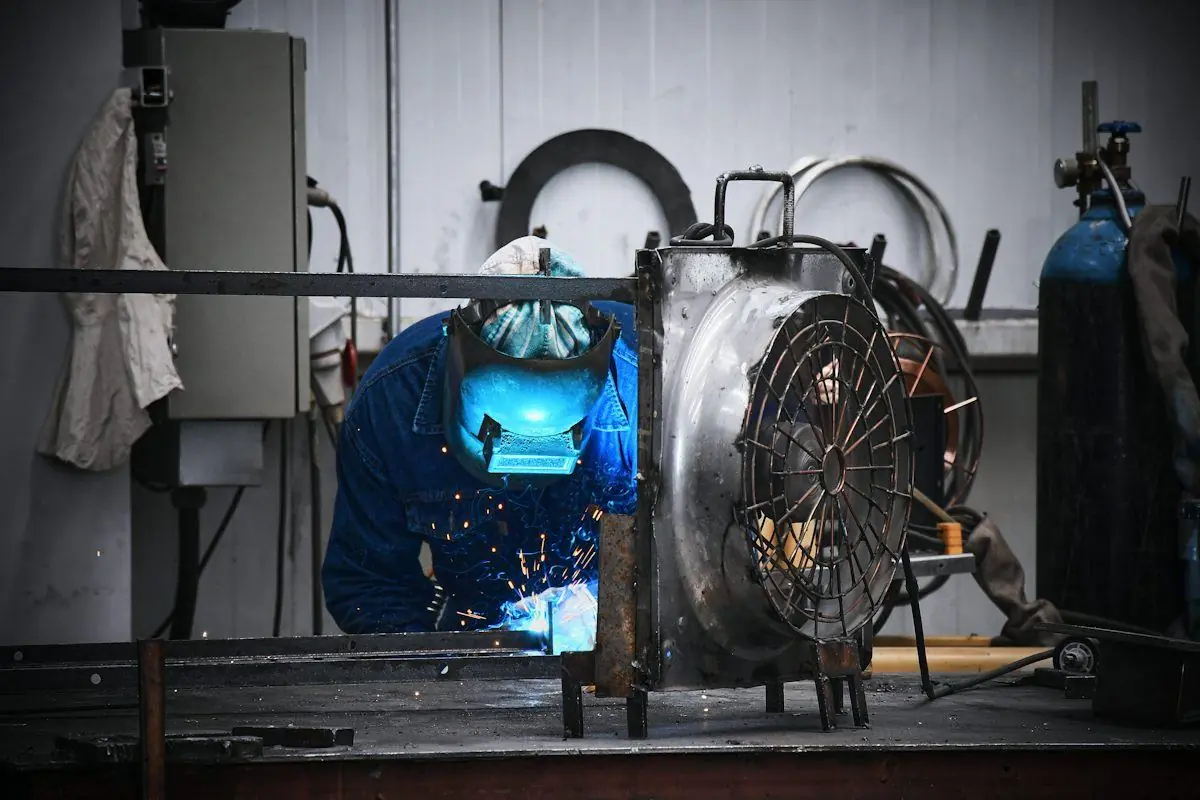
Photographs, renders and drawings of plants, equipment and products on this website are illustrative. They do not show Vajrashakti facilities or products. Market figures marked as estimates are Vajrashakti’s own, are given for context only and may change.
Image credits: home-page film edited, in black and white, from “Indian Army – Nation First” by PIB India, CC BY 3.0, via Wikimedia Commons; “Bharat Shakti” by the Government of India (Indian Army), GODL-India, via Wikimedia Commons; and film of Indian Army live-fire and Apache rocket training at Exercise Yudh Abhyas 2026 by the U.S. Army National Guard (public domain), also used on the home page under “Why it matters”. Film sound: real firing recordings from public-domain U.S. Army videos on Wikimedia Commons (Exercise Yudh Abhyas machine-gun range and Indian Army Apache training; 1-5 Field Artillery Table VI; AT4 range; HIMARS launch at Andøya; 3-29 Field Artillery; M240 range), with original sound design. “Nitrocellulose 01” by Aleksander Sobolewski, CC BY-SA 4.0, via Wikimedia Commons. Other stock photographs under the Unsplash License.
03Information only
The website gives general information about our company, facility and products. Nothing on it is an offer to sell, a quotation or a binding specification. Product grades, nitrogen ranges, capacities and timelines are indicative and may change. Supply terms are agreed only in a signed contract.
04Regulated products
Our products are explosives and defence materials controlled under Indian law, including the Explosives Act, 1884 and the rules made under it, and the export controls administered by the Government of India. We supply only to buyers who hold the licences and authorisations the law requires, and we may decline any enquiry. Nothing on this website authorises anyone to buy, possess, transfer or export a controlled item.
05Plans and projections
Statements about our plans, production capacity, licensing and timelines reflect our current expectations. They depend on approvals, construction and other factors outside our control, and actual results may differ.
06Intellectual property
The website and its content, including text, graphics, logos and design, belong to Vajrashakti or its licensors. You may view and print pages for your own reference. You may not copy, modify, republish or use the content commercially without our written permission. The Vajrashakti name and mark are our trade marks.
07Acceptable use
You must not:
- try to gain unauthorised access to the website, its servers or our systems;
- interfere with the website’s operation or introduce malicious code;
- collect data from the website by automated means without our permission;
- use the website for any unlawful purpose.
08Links to other websites
Links to third-party websites are provided for convenience. We do not control those websites and are not responsible for their content or practices.
09No warranty
The website is provided “as is” and “as available”. We do not promise that it will be uninterrupted, error-free or free of harmful components, or that its information is complete or up to date.
10Limitation of liability
As far as the law allows, we are not liable for any indirect, incidental or consequential loss arising from your use of the website, from being unable to use it, or from relying on its content.
11Privacy
Our Privacy Policy explains how we handle personal data you share with us.
12Changes to these terms
We may revise these terms at any time by updating this page. If you keep using the website after a change, you accept the revised terms.
13Governing law
These terms are governed by the laws of India. The courts at Pune, Maharashtra have exclusive jurisdiction over any dispute arising from them.
Questions about these terms can be sent to contact@vajrashakticorp.com.