Why India needs more than one supplier
Demand for nitrocellulose in India is rising fast, and almost all of it rests on imports and a single domestic source. A second Indian supplier answers both risks.
India needs about 4,780 tonnes of defence-grade nitrocellulose a year, by our estimate, built up calibre by calibre from the ammunition its forces use. Roughly 70 per cent of that requirement is imported. The rest comes from a single public-sector source.
Demand is rising
The Indian Army has indigenised 159 of the 175 types of ammunition it uses, and every gun and rocket round among them needs a nitrocellulose-based propellant. As those rounds move to Indian factories, demand for the material inside them moves home too.
Spending points the same way. The defence budget for 2026-27 is a record ₹7.85 lakh crore, and ₹1.39 lakh crore, three-quarters of the capital acquisition budget, is earmarked for Indian industry. New private shell plants are being built; one in Maharashtra is designed for up to five lakh 155 mm shells a year. Defence exports reached a record ₹38,424 crore in 2025-26, up 63 per cent on the year before.
Imports are the first risk
Allied producers are not short of customers. A European Policy Centre analysis in 2025 put Europe’s own nitrocellulose output at 4,500 to 10,000 tonnes a year, against a need closer to 20,000 tonnes, and European manufacturers have warned of their dependence on Chinese cotton linters. In a crisis, an exporting country supplies its own forces first.
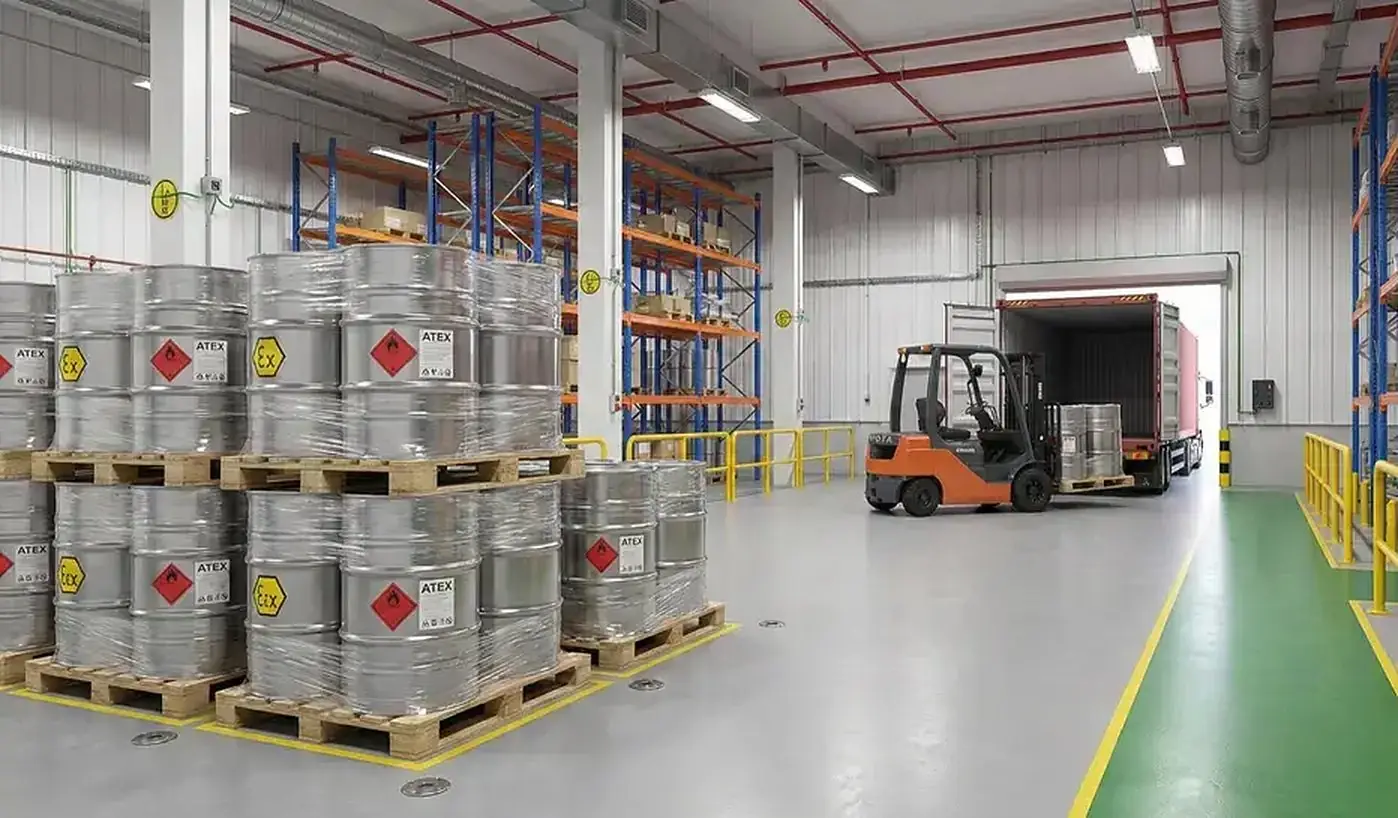
A supply chain that leans on imports is also exposed to things India does not control: export licences, shipping disruption and price. Imported material arrives slower and costs more, and it can stop arriving altogether.
Concentration is the second
At home, a single source is a single point of failure. When one line stops for maintenance, an upgrade or an incident, there is little spare capacity to absorb the gap, and every propellant line downstream feels it.
A sovereign arsenal cannot rest on borrowed chemistry.
The Ministry of Defence has placed nitrocellulose on its Positive Indigenisation List, and its procurement increasingly favours more than one Indian source for the same item. A second domestic supplier adds capacity, competition and resilience at the same time.
Where Vajrashakti fits
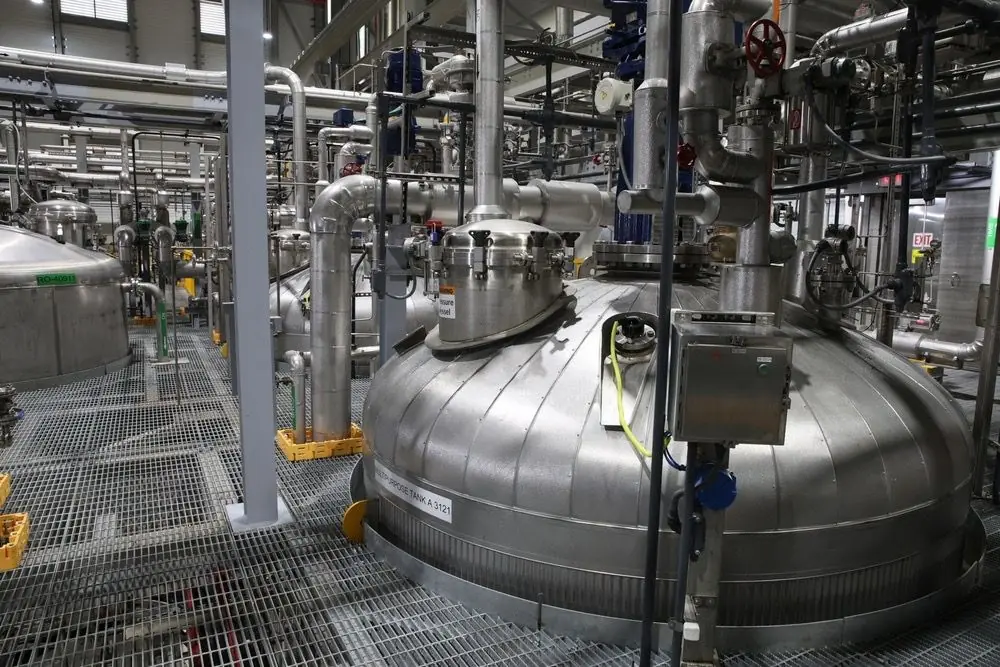
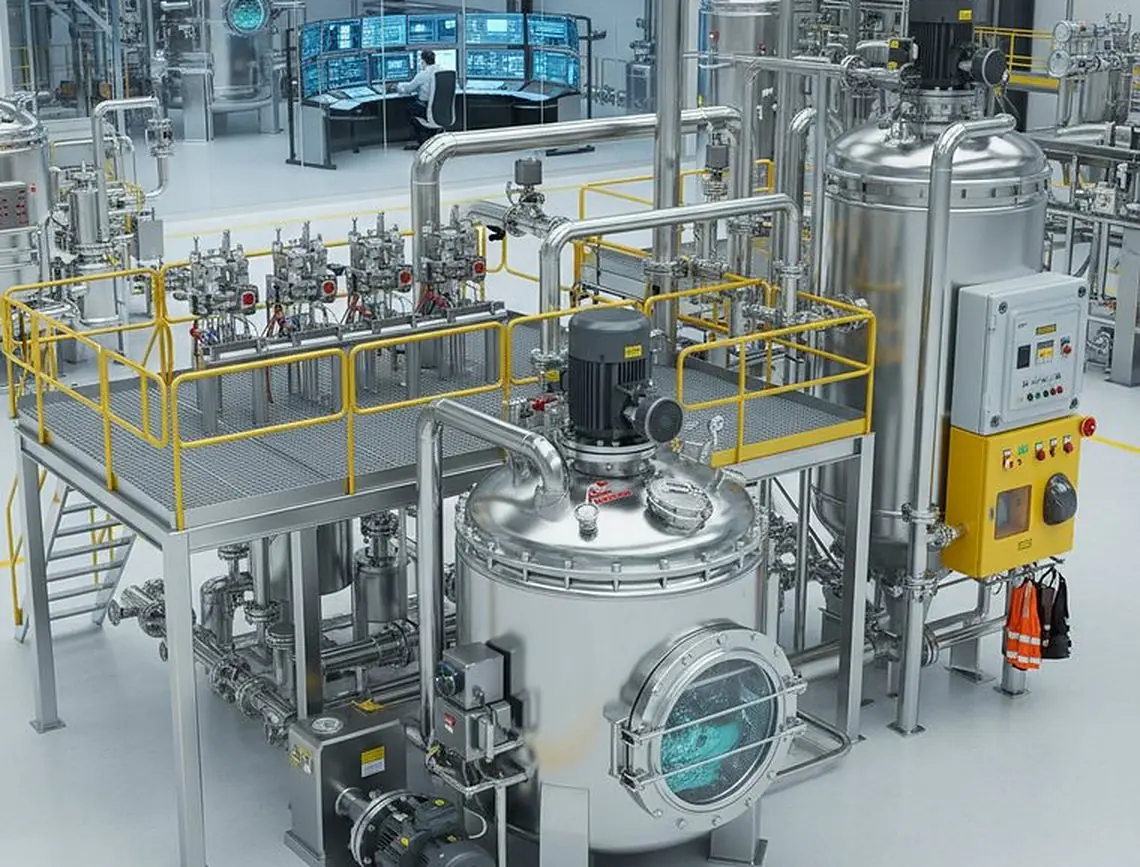
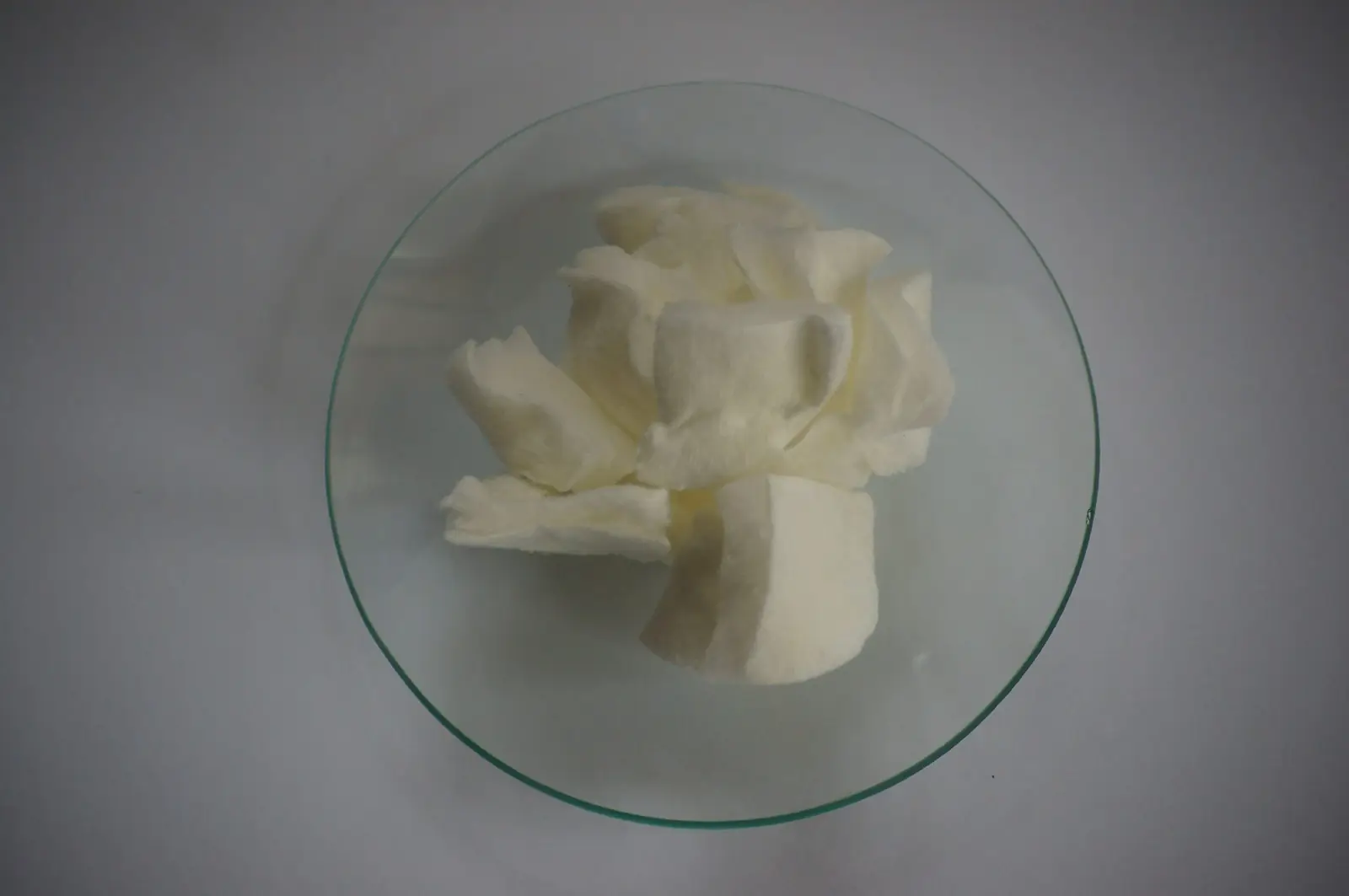
Vajrashakti is building a privately run, continuous-nitration plant for military-grade nitrocellulose made to JSS 1376. Line 1 is designed for 800 tonnes a year, about a quarter of India’s estimated shortfall, and the site is planned for 2,400 tonnes a year at full build.
India comes first. Allied supply follows only after domestic qualification and the export authorisations Indian law requires.
Written by the Vajrashakti team. Estimates are Vajrashakti’s own (October 2026); other figures and statements are drawn from the sources below.
Sources- Indian Defence News · India’s shell supply: building resilience for prolonged conflicts · 3 September 2026
- Vayu Aerospace · Ministry of Defence, Union Budget 2026-27
- All India Radio News · Ministry of Defence reports record defence exports of ₹38,424 crore in FY 2025-26 · 2 April 2026
- European Policy Centre · Running on empty: the chemical shortage undermining European defence · 18 June 2025