The world is rearming. Nitrocellulose is the bottleneck.
From Germany to Canada and the United States, governments and ammunition makers are racing to build propellant capacity. What their leaders are saying, and what it means for India.
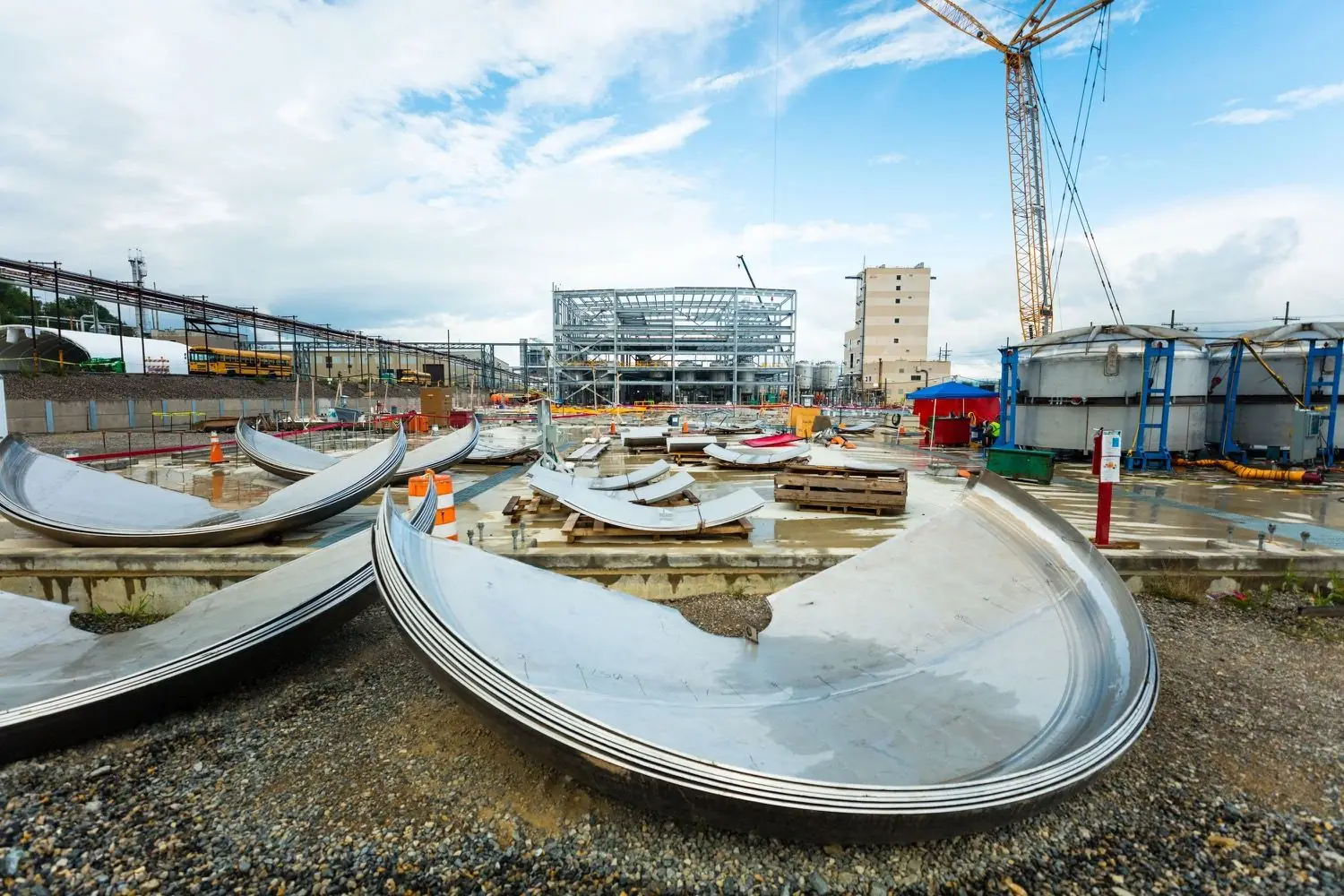
Since 2022, Europe and its allies have tried to rebuild ammunition production at a pace not seen in decades. The European Union went from an estimated 230,000 artillery shells a year in early 2023 to an expected two million in 2025. Shell bodies and fuzes can be scaled quickly. The chemistry inside them cannot.
The bottleneck is chemical
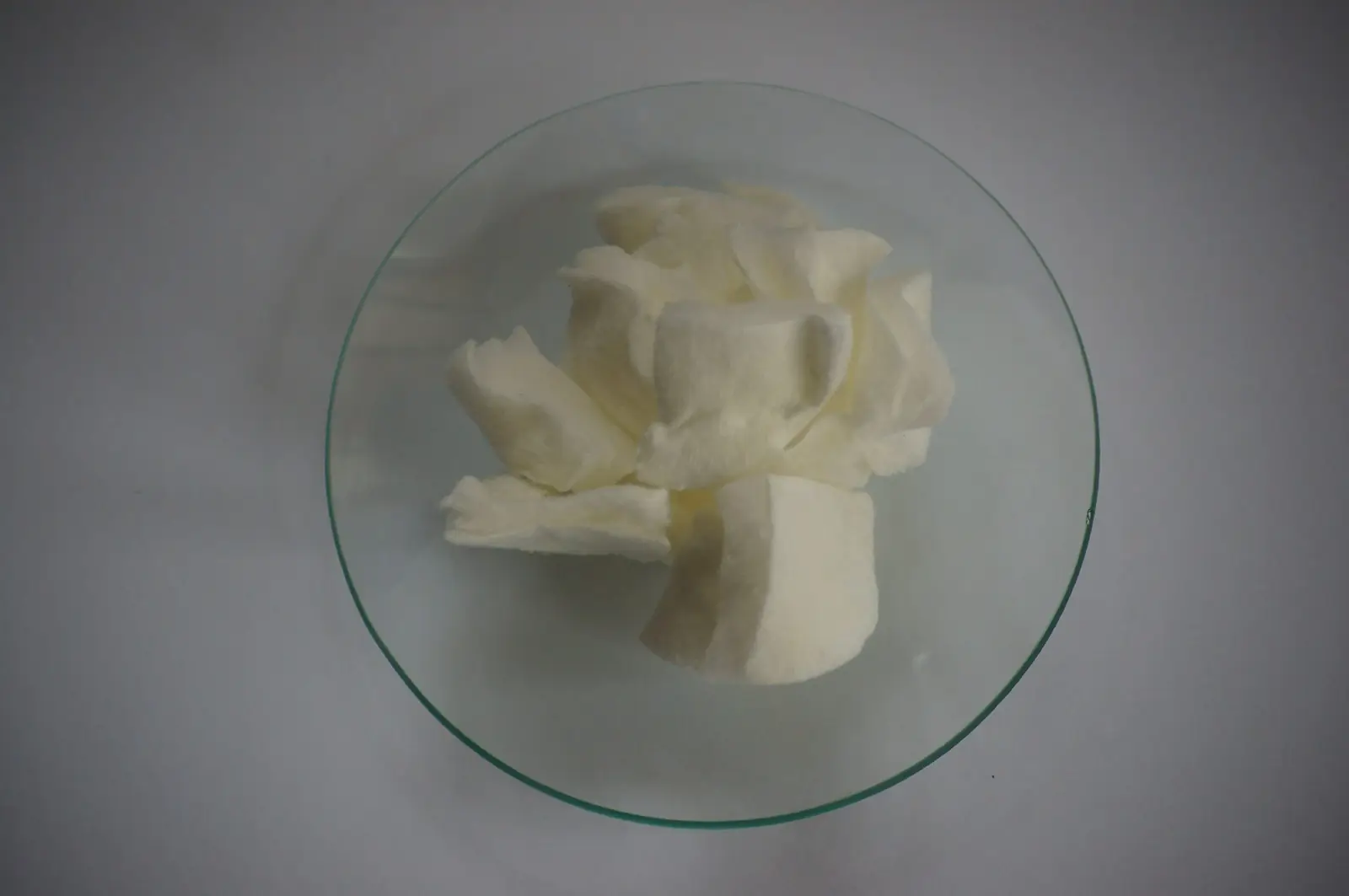
Every one of those shells needs a propellant charge, and every propellant charge needs nitrocellulose. A June 2025 analysis by the European Policy Centre put Europe’s output at 4,500 to 10,000 tonnes a year against a requirement approaching 20,000 tonnes: a shortfall of at least 10,000 tonnes. In August 2026, Wall Street Journal estimates cited in the press still had European capacity needing to more than double.
Feedstock is part of the problem. Rheinmetall’s chief executive, Armin Papperger, said in 2024 that European producers were sourcing more than 70 per cent of their cotton linters, the purified fibre nitrocellulose is made from, from China.
What Rheinmetall is doing
Europe’s largest ammunition maker has made propellant a strategic priority. In April 2025 Rheinmetall agreed to buy Hagedorn-NC, a German maker of industrial nitrocellulose, to convert it to military grades; Papperger said the deal would help overcome a strategic bottleneck in propellant production. It became the group’s fourth nitrocellulose source, alongside sites in Switzerland, Spain and South Africa.
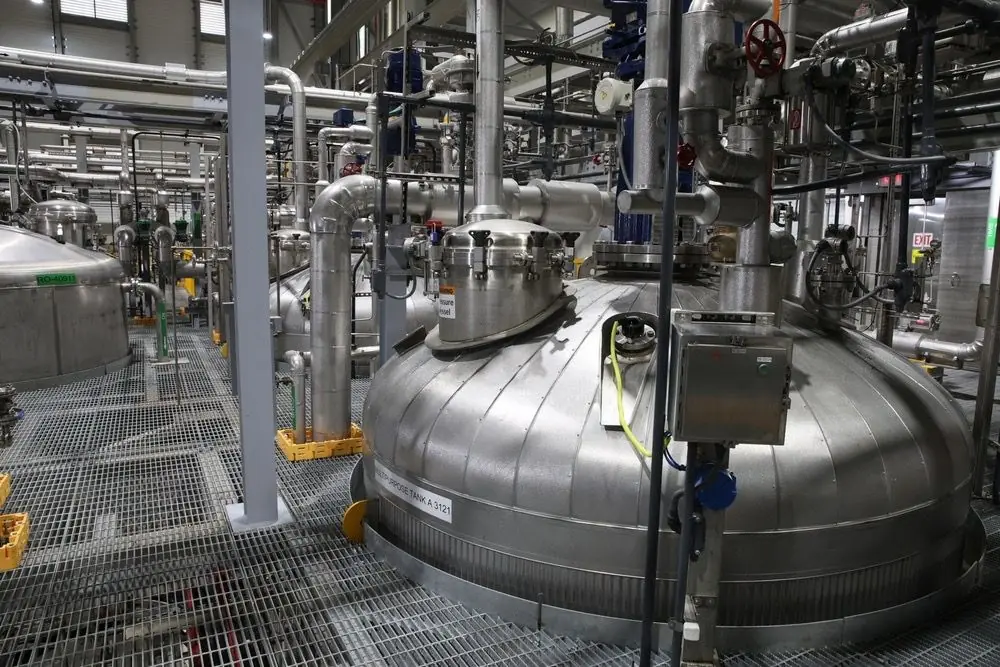
In July 2026 Rheinmetall laid the foundation stone of a new powder plant at Aschau am Inn in Bavaria, one of the largest in Europe, adding about 2,500 tonnes of powder a year at full capacity in 2028. The group’s target is 20,000 tonnes of propellant powder a year by 2030. Papperger pointed out that there are only a few propellant manufacturers worldwide, which makes self-sufficiency crucial.
“None of these components shall be a bottleneck.” Armin Papperger, Rheinmetall, July 2026
Others are following
The Czech group CSG bought a nitrocellulose plant at Walsrode in Germany in late 2024. France restarted propellant production at Bergerac in 2025. In March 2026 Canada committed C$355.7 million to a domestic nitrocellulose facility, aiming to have it running within three years. In September 2026 Hanwha announced a US$2.2 billion campus at the US Army’s Pine Bluff Arsenal for propellant charges and energetic materials, with operations due to start around 2031.
By our estimate, the United States and Canada still bought about 5,600 tonnes of military-grade nitrocellulose from outside the Americas in 2025. New Western plants will narrow these gaps, but not before the end of the decade.
What it means for India
Two things follow. First, India cannot count on allied capacity in a crisis: it is spoken for by Europe’s and America’s own restocking. Second, a qualified Indian producer will find willing buyers abroad once domestic needs are met and exports are authorised.
Vajrashakti is built for that order of priorities: India first, then the world.
Written by the Vajrashakti team. Estimates are Vajrashakti’s own (October 2026); other figures and statements are drawn from the sources below.
Sources- Rheinmetall · Foundation-laying ceremony in Aschau: Rheinmetall is constructing one of Europe’s largest and most modern powder plants · 23 July 2026
- Defense News · Rheinmetall secures nitrocellulose supply amid European ammo scramble · 7 April 2025
- European Policy Centre · Running on empty: the chemical shortage undermining European defence · 18 June 2025
- Hürriyet Daily News · Europe’s ammunition drive hits cotton supply bottleneck · 19 August 2026
- The Canadian Press via CP24 · Feds earmark money for munitions factories in Quebec, Ontario · 18 March 2026
- Manufacturing Dive · Hanwha Defense to establish $2.2B manufacturing campus in Arkansas · 22 September 2026