
What nitrocellulose is, and why the forces need it
The material inside almost every round fired, how its grades are set, and why it is so hard to replace.
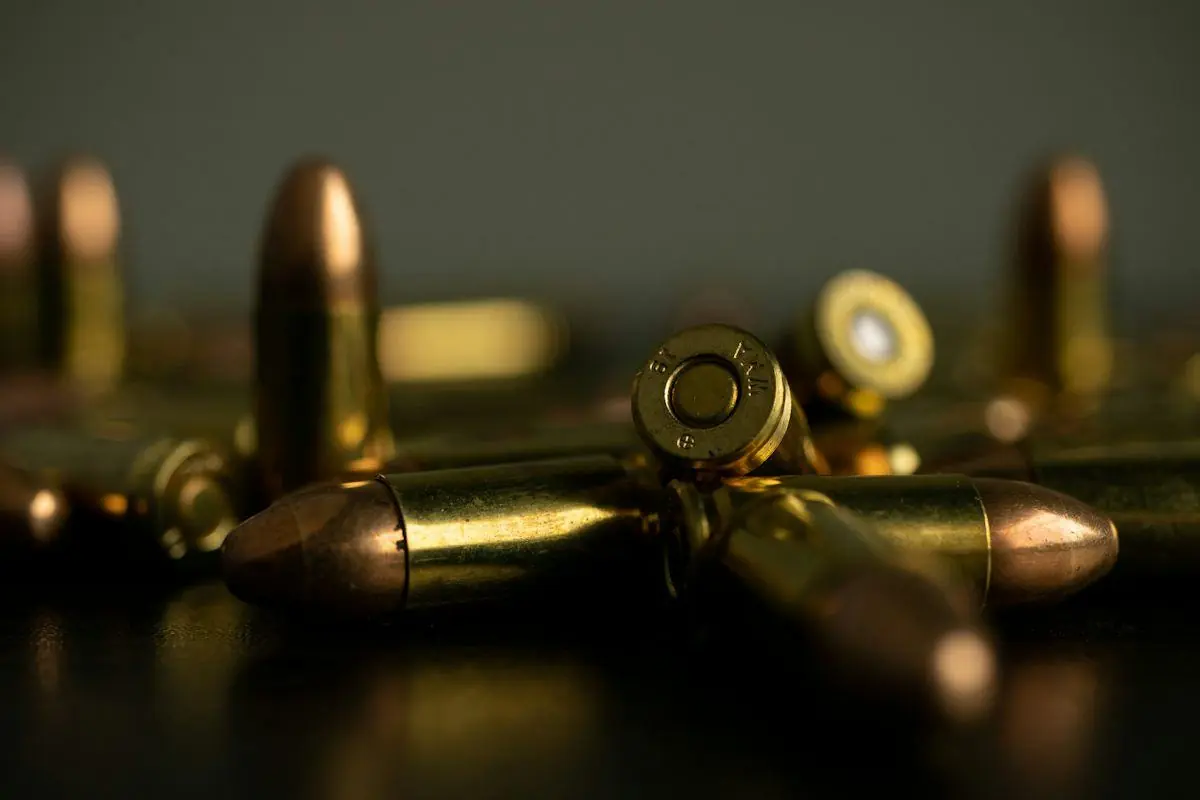
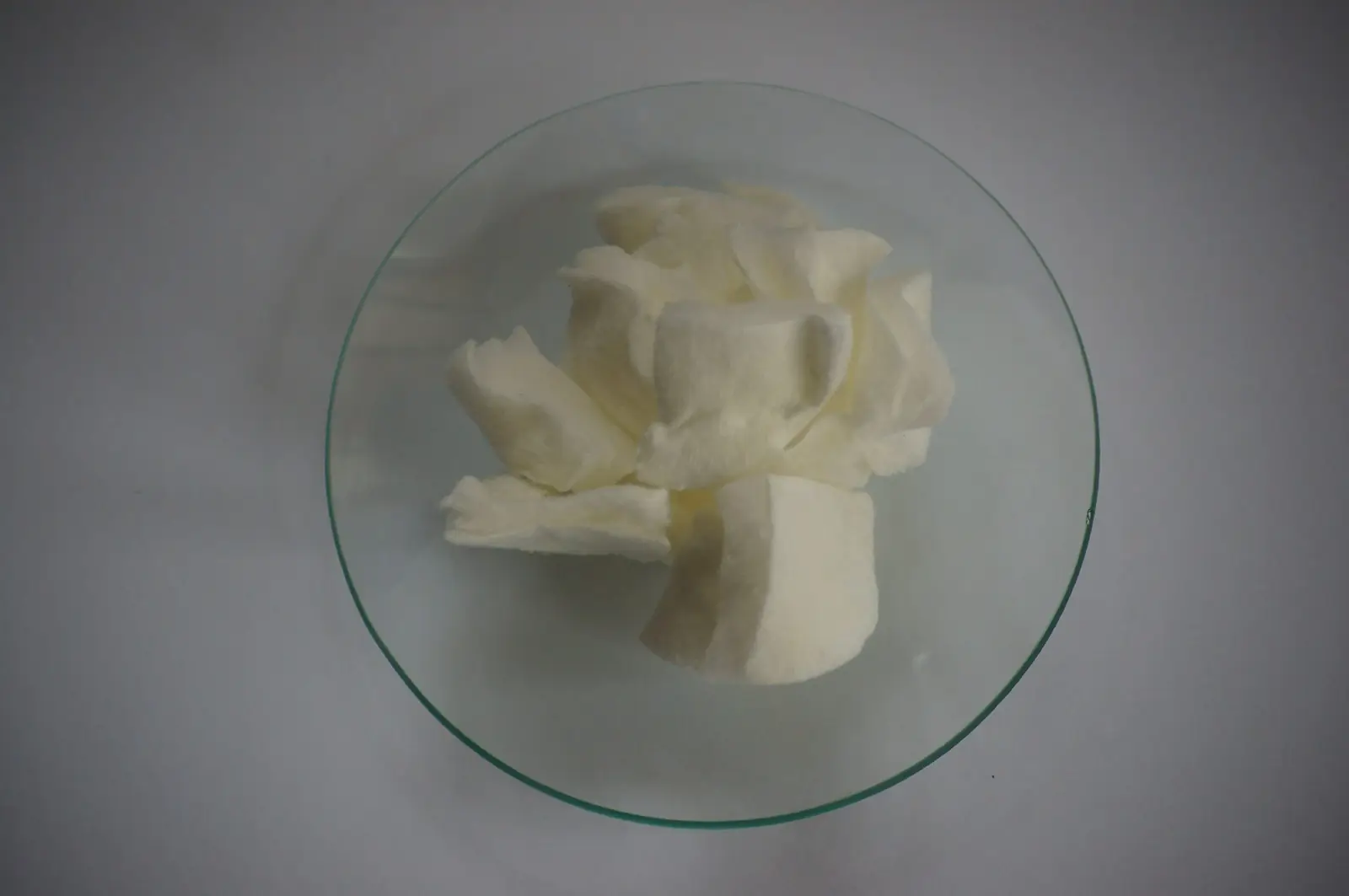
Nitrocellulose is the base material of almost every conventional propellant. When a rifle, an artillery gun, a mortar or a rocket motor fires, nitrocellulose is what burns, turning solid propellant into the hot gas that drives the projectile.
It has done this job for well over a century. Guncotton was first made in the 1840s, and by the 1880s smokeless powders built on nitrocellulose had begun to replace black powder. Every major army followed. The chemistry has been refined many times since, but the material at the centre has not changed.
How it is made
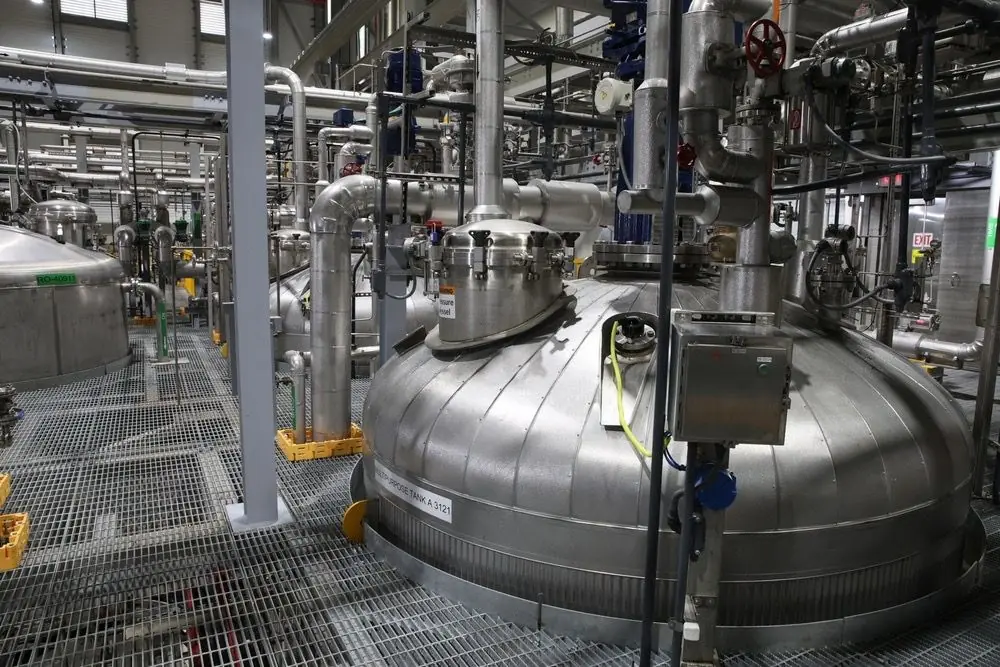
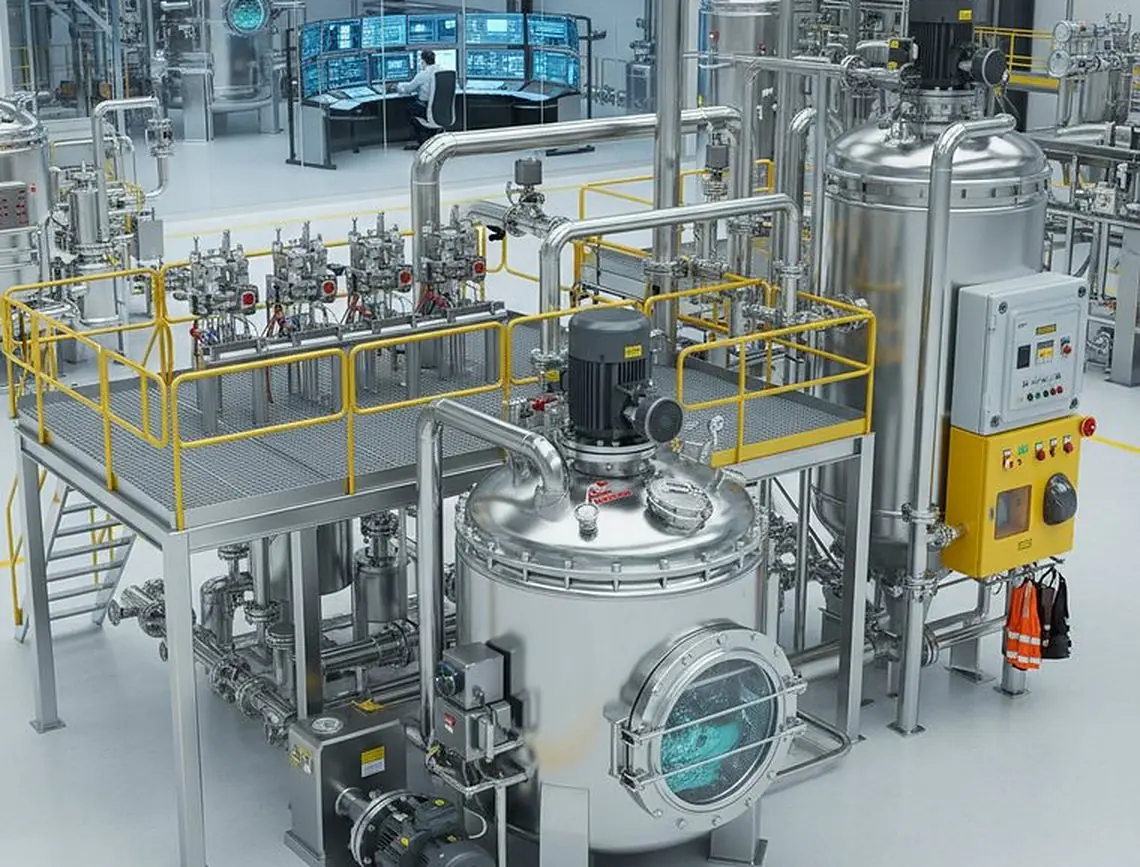
Nitrocellulose is made by treating purified cellulose, usually cotton linters, with a mixture of nitric and sulphuric acid. The acid attaches nitrate groups to the cellulose chain. How many attach, measured as the nitrogen content of the finished material, decides how it behaves.
Lower-nitrogen grades, from about 12.1 to 12.9 per cent, dissolve readily and go into cordite and double-base propellants such as ballistite. Higher-nitrogen grades, around 13 per cent and above, are the backbone of single-base rifle and gun propellants. Blends of the two are mixed to hit exact nitrogen and solubility targets.
In India the military grades are set out in JSS 1376-10-2017 (Rev-III), each with its own limits for nitrogen, solubility, viscosity and stability.
Why it ships wet
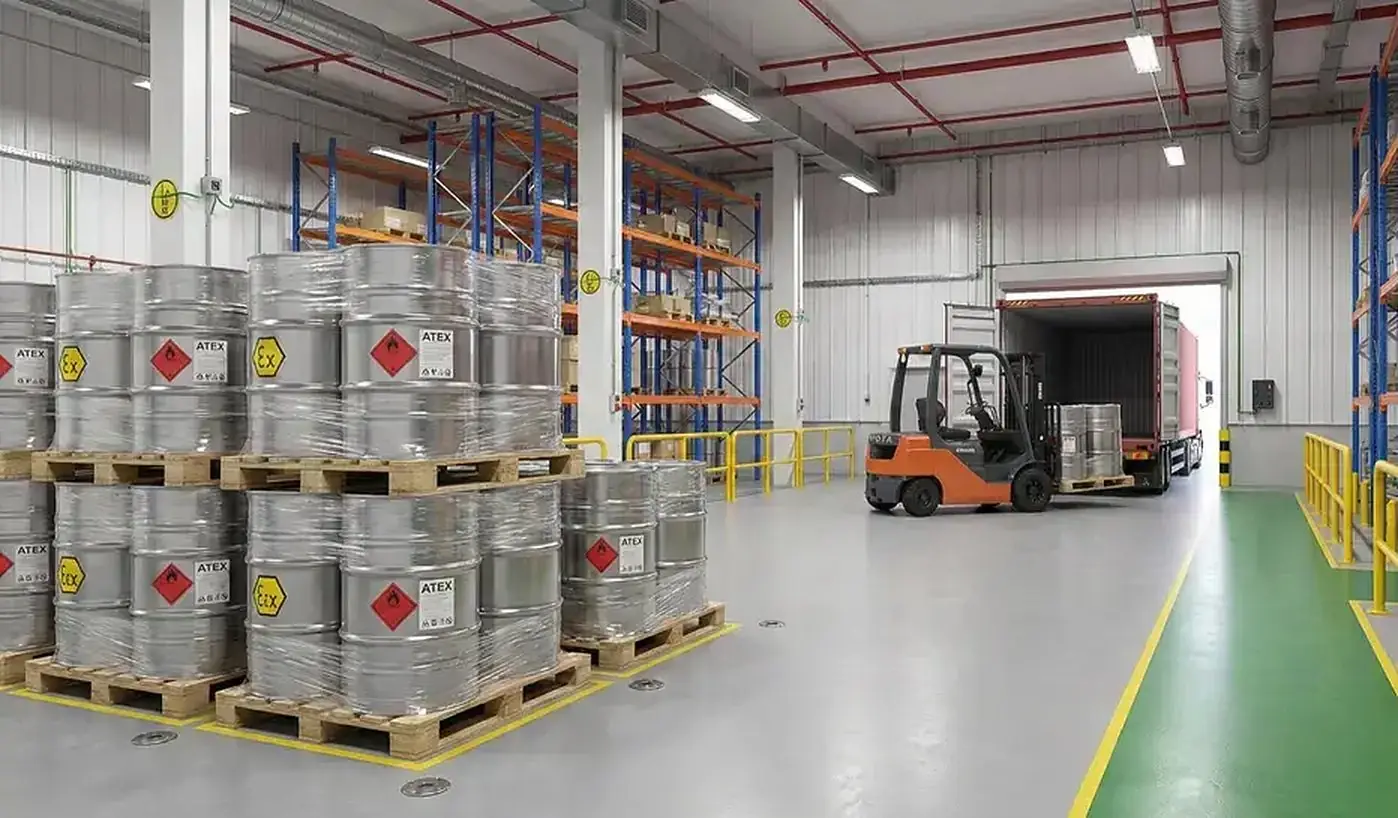
Freshly nitrated cellulose carries traces of acid that would make it unstable in storage. Long boiling and repeated washing, known as stabilisation, remove them. The finished material is then kept wet, usually with 30 to 35 per cent water, which makes it far safer to store and transport. Propellant makers dry it, or work it with solvent, in their own process.
Before release, every lot is tested for nitrogen content, solubility, viscosity and chemical stability, using heat tests and the Bergmann–Junk method, so that the propellant made from it behaves the same way every time it is fired.
Why there is no substitute
There is no substitute. Every round fired begins with it.
Every fielded gun and rocket propellant was qualified with a specific nitrocellulose grade. Changing the material means requalifying the propellant, and that takes years of ballistic testing. In practice, an army that needs ammunition needs nitrocellulose.
That is why the world’s largest ammunition makers are now buying and building nitrocellulose capacity of their own. When Rheinmetall agreed to buy the German producer Hagedorn-NC in April 2025, its chief executive, Armin Papperger, said the deal would help the group overcome a strategic bottleneck in propellant production.
For an armed force, that makes nitrocellulose a strategic material. Without a steady supply, ammunition lines stop.
Written by the Vajrashakti team. Estimates are Vajrashakti’s own (October 2026); other figures and statements are drawn from the sources below.
Sources